
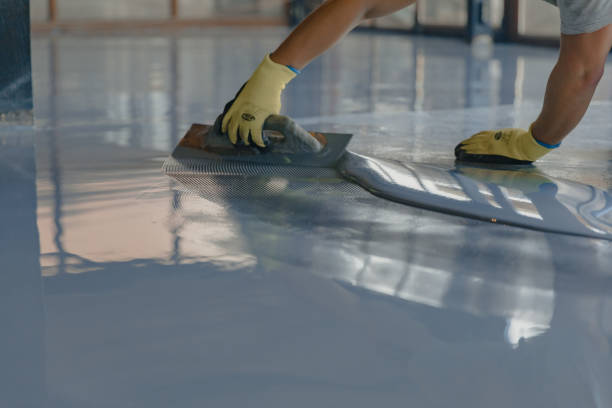
Epoxy flooring is a versatile, durable, and visually appealing surface coating that has gained immense popularity in garage spaces. It is created by combining a resin and a hardener, which chemically react to form a rigid plastic material. When applied over concrete floors, it cures into a robust surface that offers high resistance to wear, chemicals, and abrasions.
Epoxy flooring transforms garages in several ways, enhancing both functionality and aesthetics. Below is an exploration of what epoxy flooring entails and its transformative impact on garages.
The Basics of Epoxy Flooring
Epoxy is a polymer material that bonds exceptionally well to concrete surfaces due to its adhesive properties. The process of applying epoxy involves multiple steps:
1. Surface Preparation: Cleaning and etching the concrete surface for optimal adhesion. This may include the removal of stains or cracks through grinding or acid washing. 2. Application: A primer layer followed by one or more coats of epoxy resin. 3. Curing Process: Allowing the application to cure and harden for up to 24–72 hours depending on the specific product.
Advantages That Epoxy Brings to Garage Spaces
- Durability: Epoxy delivers exceptional strength, capable of withstanding heavy vehicles, dropped tools, and other impacts without cracking or chipping.
- Chemical Resistance: Whether it’s oil spills, antifreeze leaks, or cleaning agents, epoxy resists chemical damage better than untreated concrete.
- Aesthetic Appeal: Available in various colors and finishes (e.g., glossy or matte), epoxy creates a sleek and professional look.
- Ease of Maintenance: The seamless surface makes cleaning spills effortless with just soap and water.
- Moisture Protection: Epoxy acts as an effective sealant against water seepage into the underlying concrete.
Epoxy Flooring Installers Clearwater FL: Transform Your Garage Space
| Transformation Area | Impact |
| Visual Appeal | Turns dull gray floors into polished surfaces with customizable colors/designs like metallic effects or flakes. |
| Organization-Friendly | Helps create zones through color-coding for better organization of tools/storage areas. |
| Safety Improvements | Slip-resistant coatings can be added for improved safety under wet conditions. |
| Value Addition | Boosts property appeal by providing an upgraded garage floor that prospective buyers find attractive. |
Tips for Getting the Best Results with Epoxy
To maximize the performance of your epoxy floor: – Ensure proper cleaning and drying before application. – Repair cracks or defects in your garage floor prior to coating. – Choose high-quality epoxy products tailored specifically for garages rather than general-use coatings. – Consider professional installation if you’re unsure about DIY methods.
By understanding what epoxy flooring involves and its inherent advantages, you’ll see why it’s an increasingly popular choice among homeowners seeking durability paired with modern design elements in their garages.
How an Epoxy Flooring Company Clearwater FL Can Transform Your Garage Spaces
Epoxy flooring has become a popular choice for garage spaces due to its durability, aesthetic appeal, and practical benefits. At its core, epoxy flooring is created by combining resin and hardener to form a robust plastic-like material. This chemical reaction forms a rigid, resistant surface that bonds exceptionally well to concrete substrates, making it an ideal option for garages.
Choosing the Right Epoxy Garage Flooring Contractor Clearwater FL
- Surface Preparation: Cleaning and etching the concrete to ensure proper adhesion.
- Primer Application: Applying an epoxy primer that acts as a bonding layer between the concrete and the topcoat.
- Epoxy Coating: Adding one or more layers of epoxy resin mixed with hardener.
- Topcoat (Optional): Applying an additional protective layer for enhanced durability or gloss.
The result is a seamless, high-performance surface capable of withstanding heavy loads, chemical spills, and foot traffic.
How Epoxy Flooring Transforms Garage Spaces
- Enhanced Durability
Epoxy provides exceptional resistance against wear and tear caused by heavy vehicles, tools, or equipment. Unlike bare concrete that can crack or chip over time, epoxy forms a hardy shield capable of enduring high-impact activities. - Improved Aesthetic Appeal
With customizable finishes such as metallic effects, solid colors, or decorative flakes, epoxy transforms dull concrete floors into visually appealing surfaces that match personal preferences. - Resistance to Chemicals
Garages often deal with oil stains, gasoline spills, cleaners, and other chemicals that can damage traditional floors. Epoxy floors are highly resistant to such substances, making maintenance hassle-free. - Dust Control
Bare concrete tends to release dust particles over time due to natural wear (a process called “concrete dusting”). Epoxy seals the surface completely, eliminating this problem while creating a cleaner environment. - Moisture Protection
If you live in an area prone to humidity or water exposure (e.g., from snowmelt off cars), epoxy’s water-resistant properties prevent damage like mold growth or warping.
Key Features of Epoxy That Elevate Garage Utility
| Feature | Description |
| Seamless Surface | No cracks or seams where dirt and grime can accumulate |
| Easy Maintenance | Simple cleaning process; resists stains |
| UV Resistance (Optional) | Special formulations available for areas exposed to direct sunlight |
| Versatility | Can be tailored with non-slip additives for safety |
Limitations Worth Noting
- Installation Process: Proper installation requires professional expertise; any mistakes can lead to peeling or bubbling.
- Cure Time: After application, full curing may take up to several days depending on environmental conditions.
- Preparation Requirements: Existing floors must be free from cracks or moisture before applying epoxy.
- Temperature Sensitivity: Extreme temperatures during installation may impact how well the coating adheres.
By understanding what epoxy flooring entails and how it can transform your garage space into something functional yet aesthetically pleasing, you’ll be better equipped to decide whether it’s suitable for your needs.
Key Benefits of Epoxy Flooring for Garages: From Longevity to Customization
Epoxy flooring has gained significant popularity as a go-to solution for garage spaces, offering a unique combination of durability, aesthetics, and practicality. Below, we delve into the key benefits that make epoxy an outstanding choice for garages.
1. Exceptional Durability
One of the standout features of epoxy flooring is its remarkable strength and resilience. It can withstand heavy loads, making it ideal for garages with vehicles, heavy equipment, and substantial foot traffic.
- Impact Resistance: Epoxy floors can endure impacts from dropped tools or objects without cracking or chipping.
- Abrasion Resistance: The tough surface resists scratches and wear caused by constant use or moving equipment across the floor.
- Chemical Resistance: Epoxy coatings are highly resistant to oil spills, fuel leaks, and other chemicals commonly found in garage settings.
2. Enhanced Safety Features
- Slip Resistance: Special additives can be incorporated into the epoxy coating to create a textured surface that reduces slip hazards.
- Lighting Enhancement: Epoxy’s glossy finish reflects light effectively, improving visibility in your garage without additional lighting installations.
3. Low Maintenance Requirements
| Maintenance Task | Effort Required | Frequency |
| Sweeping/Dust Removal | Minimal | Weekly |
| Spot Cleaning Spills | Quick wipe-up | As needed |
| Deep Cleaning | Mopping with mild soap | Monthly/Quarterly |
The seamless surface prevents dirt and debris from accumulating in cracks or crevices.
4. Customization Options
- Color Choices: A wide range of solid colors and metallic finishes are available to suit your aesthetic goals.
- Decorative Flakes/Chips: Add colored flakes to create a unique texture while enhancing slip resistance.
- Patterns & Designs: Achieve personalized designs like stripes or logos that reflect individual tastes.
5. Longevity That Adds Value
- A professionally installed epoxy coating typically lasts between 10–20 years.
- Its longevity makes it cost-effective over time compared to alternatives like vinyl tiles or painted concrete.
6. Resistance to Moisture and Stains
- The nonporous surface repels water effectively.
- Stains from oil or chemicals can be easily cleaned without leaving behind permanent marks.
Practical Applications for Garage Owners
- For Car Enthusiasts: Protects against tire marks while providing an attractive showroom-like finish.
- For DIYers: Durable enough for heavy-duty projects involving tools and sharp objects.
- For Families: Easy cleanup ensures spills don’t become permanent stains on the floor.
By combining durability with visual appeal and low upkeep requirements, epoxy flooring delivers both functional advantages and long-term value tailored specifically for garages’ demands—an investment worth considering for homeowners looking to upgrade their space efficiently yet stylishly.

How Epoxy Flooring Compares to Other Popular Garage Flooring Options
When deciding on the best flooring option for your garage, epoxy flooring often comes up as a strong contender. However, it’s important to compare how epoxy measures against other popular options like bare concrete, vinyl, and tiles to ensure you make an informed choice. Below is a detailed comparison based on key factors such as durability, maintenance, aesthetics, and cost.
Durability
| Flooring Type | Durability Summary |
| Epoxy | Highly durable against heavy loads (like vehicles) and resistant to chemicals, stains, and abrasions. |
| Concrete | While naturally durable, concrete can crack over time and is susceptible to stains without proper sealing. |
| Vinyl | Moderately durable but can tear or dent under heavy tools or machinery. |
| Tiles | Durable but prone to cracking under very heavy objects; grout lines may weaken over time. |
Epoxy clearly stands out for its resilience under harsh garage conditions.
Maintenance Requirements
- Epoxy Flooring: Easy to clean with minimal upkeep; dirt and oils don’t penetrate its non-porous surface.
- Concrete Floors: Require sealing periodically to prevent stains and cracks; harder to keep clean due to porous nature.
- Vinyl Flooring: Low-maintenance but requires care to prevent scratches from dragging objects.
- Tile Floors: Need regular grout cleaning in addition to sweeping or mopping.
Epoxy combines low maintenance with superior functionality over other materials.
Aesthetic Appeal
- Epoxy Flooring: Offers customizable finishes (metallic sheen, glossy look) and comes in various colors and patterns.
- Concrete: Has a plain industrial look unless stained or polished.
- Vinyl: Available in different designs but lacks the high-end appearance offered by epoxy coatings.
- Tiles: Provides a polished aesthetic but limited design flexibility compared to epoxy’s seamless finishes.
Cost Analysis
| Type | Initial Installation Cost | Long-Term Costs |
| Epoxy | Moderate | Low—lasts decades with minimal repairs |
| Concrete | Low | High—repairs/sealing needed regularly |
| Vinyl | Low | Moderate—may require periodic replacement |
| Tiles | High | Moderate—to repair cracked tiles |
While tiles might seem appealing initially due to their luxurious feel, epoxy offers better value over time given its longevity.
Final Thoughts on Comparing Epoxy with Other Materials
When choosing between epoxy flooring and alternative materials like concrete, vinyl, or tiles for your garage space, consider the trade-offs between cost-effectiveness, long-term durability, ease of maintenance, and aesthetic value. Epoxy outperforms other options when evaluated holistically across these factors—making it an excellent investment for homeowners looking for both functionality and style in their garages.
Epoxy vs. Concrete, Vinyl, and Tiles: Detailed Comparison for Garage Floors
Choosing the right flooring for your garage is critical to ensuring durability, safety, and aesthetic appeal. Epoxy flooring is a popular option, but how does it compare to alternatives like concrete, vinyl, and tiles? Below is a detailed breakdown of these materials in terms of performance, cost-effectiveness, maintenance requirements, and other key factors.
Durability and Strength
- Epoxy Flooring: Known for its exceptional durability, epoxy creates a hardened surface resistant to wear-and-tear from heavy vehicles, tools, and chemical spills. It also withstands impacts without cracking or chipping.
- Concrete: While raw concrete can be durable under weight and pressure, it is prone to cracking over time due to temperature changes or settling foundations unless treated with sealants.
- Vinyl Flooring: Vinyl offers flexibility but lacks the robust resistance of epoxy or concrete. Heavy loads may dent or tear vinyl over time.
- Tiles: Tiles are highly durable when properly installed but are susceptible to cracking under heavy impacts if the subfloor is uneven or poorly prepared.
Maintenance Requirements
- Epoxy Flooring: Easy to clean with just soap and water. Its non-porous surface resists stains from oil or chemicals commonly found in garages.
- Concrete: Untreated concrete absorbs liquids easily, leading to stains that can be challenging to remove unless sealed regularly.
- Vinyl Flooring: Requires minimal maintenance but can become discolored over time if exposed to certain chemicals or sunlight for extended periods.
- Tiles: Maintenance includes routine cleaning; however, grout lines between tiles can collect dirt and may require special attention during cleaning.
Cost Comparison
| Flooring Type | Initial Installation Cost | Long-Term Value (Durability) | Maintenance Costs | Lifespan |
| Epoxy | Moderate | High | Low | 10–20 years (with proper care) |
| Concrete | Low | Moderate | Moderate (due to sealing) | 5–10 years (without sealing) |
| Vinyl | Low | Low | Low | 5–10 years |
| Tiles | High | High | Moderate | 15–20+ years (if no damage occurs) |
Aesthetic Versatility
- Epoxy Flooring: Offers a wide range of finishes—from solid colors to metallic effects—allowing homeowners to customize their garage space according to personal preferences or functional needs like visibility in low-light conditions.
- Concrete: Raw concrete has limited visual appeal unless polished or stained.
- Vinyl Flooring: Available in various patterns and colors that mimic wood grain or stone at an affordable price.
- Tiles: Provides a high-end look with options including ceramic or porcelain tiles in an array of styles.
Resistance to Environmental Factors
- Epoxy handles changing temperatures better than untreated concrete but may become slippery when wet.
- Concrete can crack if exposed repeatedly to freezing-thawing cycles without sealants.
- Epoxy’s waterproof nature protects against seepage.
- Vinyl provides decent moisture resistance but may peel at the edges over time.
- Epoxy outperforms other materials when exposed consistently to automotive fluids like oil or gasoline.
Safety Considerations
Epoxy floors can be slippery when wet; however: – Anti-slip additives are available for added traction. Compared with tiles (which have grout gaps), epoxy provides a seamless surface that reduces tripping hazards.
Final Thoughts on Choosing Between These Options
When selecting between epoxy flooring and alternatives like concrete, vinyl, or tiles for your garage project: 1. Evaluate your budget not only for installation but also future upkeep. 2. Consider how much wear-and-tear your garage will experience based on its primary use—whether it’s primarily storage space vs heavy-duty work area handling vehicles/tools regularly. 3 Prioritize resistance against environmental hazards such as moisture damage/humidity levels
Evaluating if Epoxy Flooring Is the Right Choice for Your Garage Needs
When considering options for upgrading or renovating your garage flooring, it’s important to evaluate whether epoxy flooring aligns with your specific requirements. While epoxy is a popular choice due to its durability and aesthetic appeal, it’s not universally ideal for every individual or space. Below, we explore key factors to help you determine if epoxy flooring suits your needs.
Factors to Consider Before Choosing Epoxy Flooring
- Heavy-duty use: If your garage acts as a workshop or storage area for heavy equipment, epoxy can handle the wear and tear better than most alternatives due to its high resistance to impact and abrasions.
- Residential use: For standard residential garages storing cars and tools, epoxy provides both functionality and visual enhancement.
- Epoxy performs best in controlled environments. In regions with extreme temperature fluctuations, improper installation may lead to cracking or peeling over time.
- High humidity during installation can also affect how well the epoxy adheres to the concrete substrate.
- While epoxy is cost-effective in the long term due to its longevity, the upfront cost of materials and professional installation can be higher compared to other garage floor options like vinyl or concrete sealants.
- If aesthetics are a priority, epoxy offers customizable finishes such as metallic effects, flake systems, or solid high-gloss colors that elevate the overall look of your garage.
- Epoxy floors are low maintenance but not maintenance-free. Regular sweeping and occasional mopping are necessary to prevent dirt buildup that could diminish their appearance over time.
Comparing Epoxy With Other Garage Flooring Options
| Feature | Epoxy Flooring | Concrete | Vinyl Tile | Ceramic Tile |
| Durability | High | Moderate | Moderate | High |
| Installation Cost | Moderate-High | Low | Moderate | High |
| Aesthetic Options | Highly customizable | Limited | Wide range | Wide range |
| Maintenance Effort | Low | Low | Medium | Medium |
| Resistance (Stains/Water) | Excellent | Low | Good | Excellent |
Advantages of Choosing Epoxy Floors for Your Garage
- Longevity: Properly installed epoxy floors can last 10–20 years without significant degradation.
- Chemical Resistance: Ideal for garages where oils, solvents, or other chemicals are frequently used.
- Customizable Appearance: Can mimic granite-like textures or incorporate decorative patterns.
- Seamless Surface: Unlike tiles that have grout lines prone to staining, epoxy surfaces are smooth and easy to clean.
- Slip Resistance Options: Additives like silica sand or aluminum oxide can be incorporated into the finish for safer footing.
Potential Drawbacks of Epoxy Flooring
- Labor-intensive installation process requiring proper surface preparation.
- Susceptible to scratches if subjected to consistent abuse without protective mats.
- Sensitive curing process; errors during this stage can compromise performance.
Is It Right For You?
Epoxy flooring is an excellent choice for those seeking a durable yet visually appealing garage floor capable of withstanding substantial wear and tear while being easy to maintain. However, understanding upfront costs and ensuring proper installation are crucial before committing fully. Analyze usage needs alongside budgetary considerations while weighing these pros and cons carefully before making your decision.
- Finding the Best Epoxy Garage Flooring Contractor in Clearwater FL
- How to Choose the Best Garage Floor Epoxy Colors with an Epoxy Flooring Company Clearwater FL
- Clearwater Epoxy Garage Flooring: Understanding the Basics and Key Features
- Transform Your Garage with Durable Clearwater Epoxy Garage Flooring
- Tips for Choosing the Best Company for Your Clearwater Epoxy Garage Flooring Installation
- The Benefits of Hiring Epoxy Flooring Installers Clearwater FL
- Epoxy Flooring Company Clearwater FL: Understanding the Facts About Epoxy Coatings and Their Applications
- Understanding the Benefits of Clearwater Epoxy Garage Flooring Options